Secure Evidence Storage Lockers
Purpose-built evidence storage systems that protect chain of custody, ensure regulatory compliance, and safeguard case integrity from intake to courtroom.
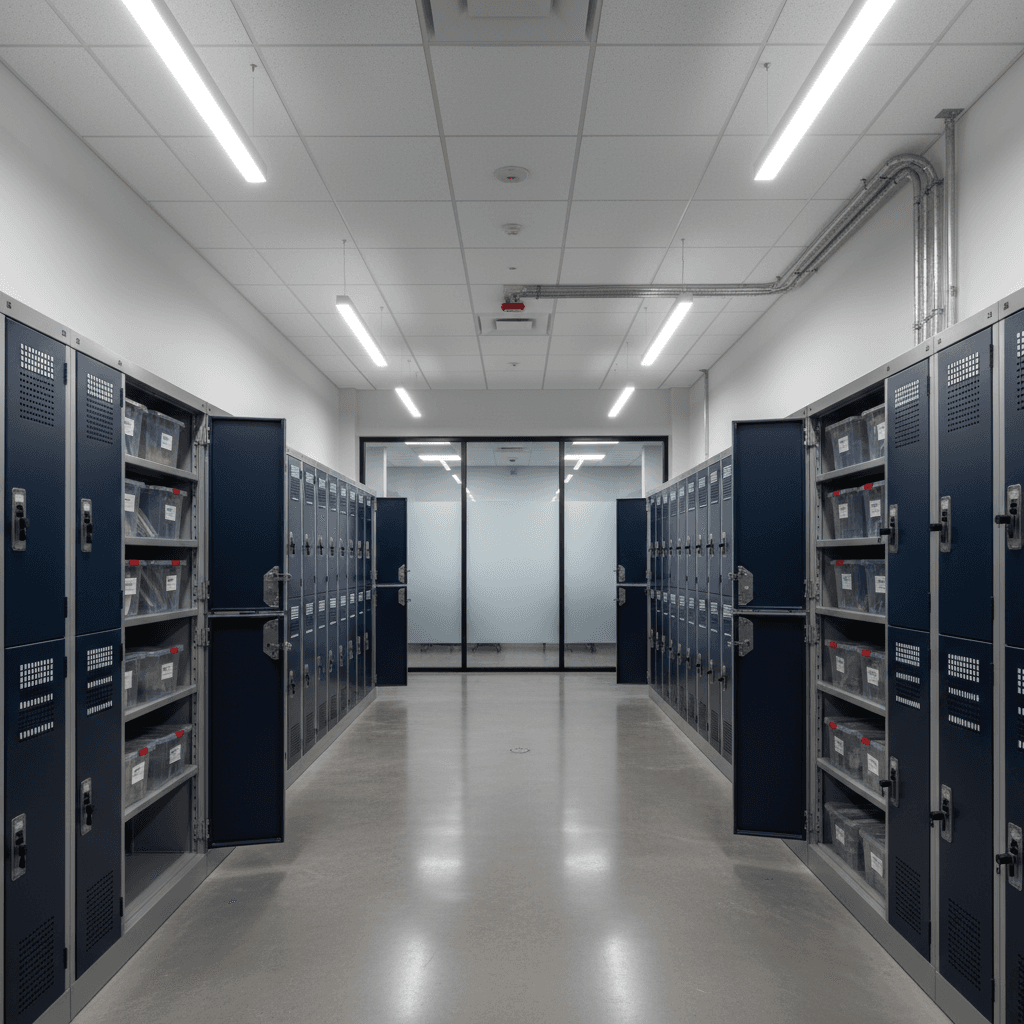
210+
Monthly Searches
$4.83
Avg. Cost Per Click
15+
Industry Manufacturers
1,700+
Related Keyword Cluster
What Are Evidence Storage Lockers?
Evidence storage lockers are specialized secure containment systems designed for law enforcement agencies, forensic laboratories, and government facilities to store physical evidence while maintaining strict chain of custody protocols.
Unlike standard commercial lockers, evidence storage lockers are engineered with tamper-proof construction, access logging, and optional climate controls. They serve as the physical backbone of an agency's evidence management system, ensuring that every piece of evidence — from a small DNA swab to a seized firearm — remains secure, uncontaminated, and court-admissible.
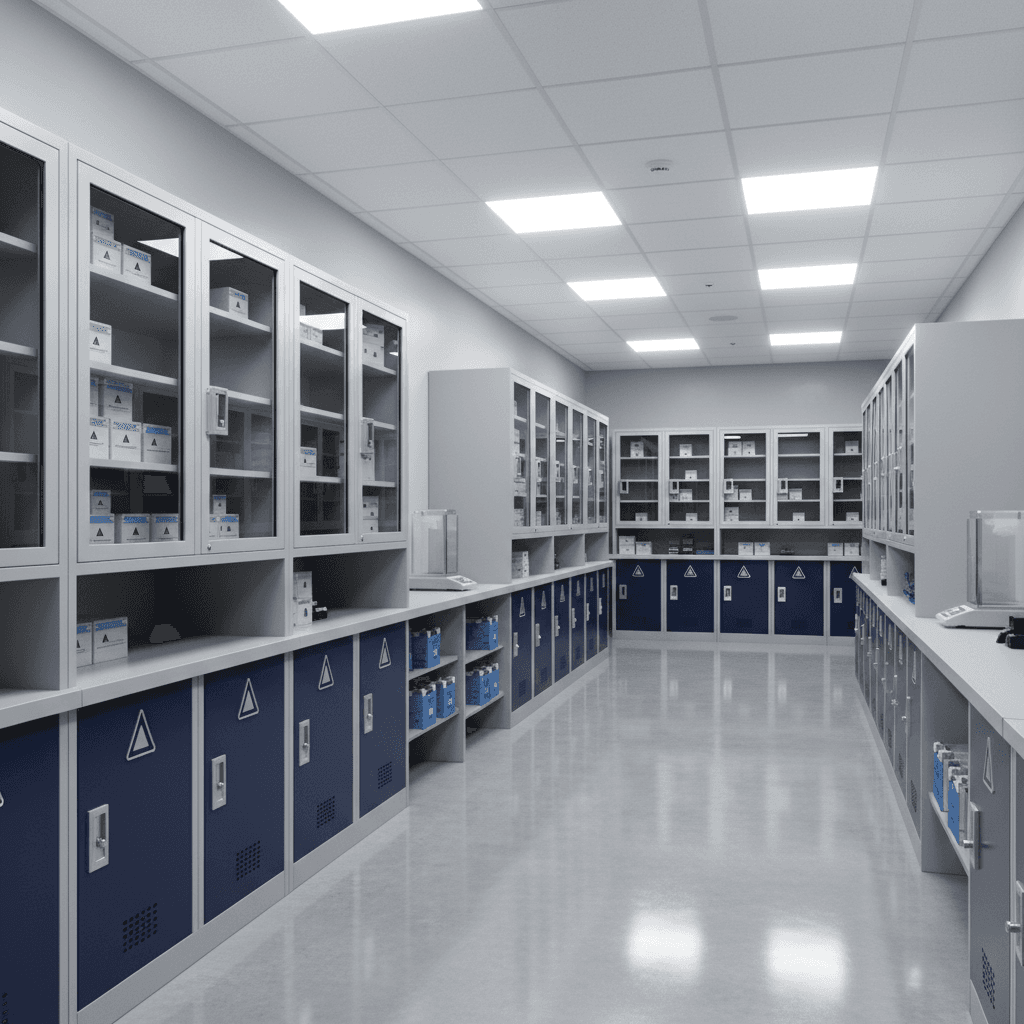
Types of Evidence Storage Lockers
From 24/7 pass-through intake systems to temperature-controlled biological evidence units, there is a locker configuration for every storage need.
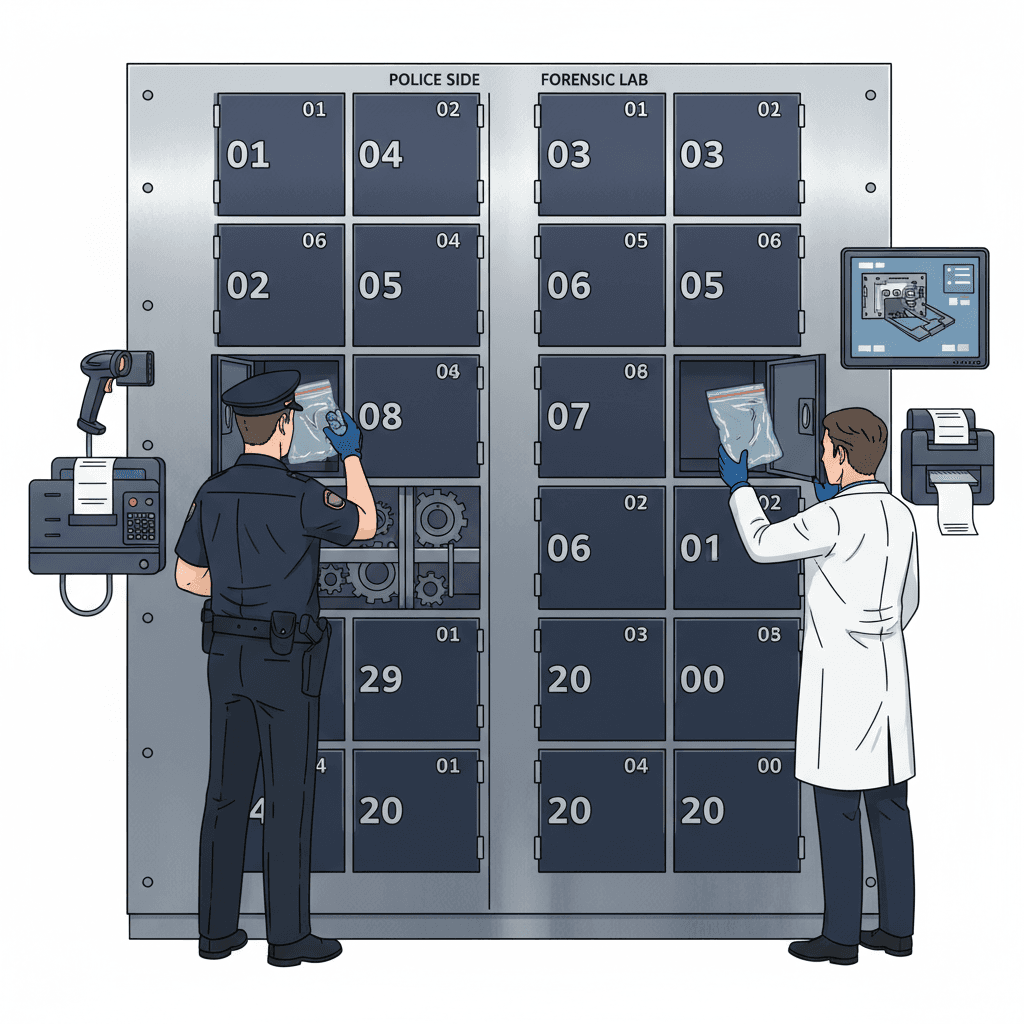
Pass-Through Evidence Lockers
Officers deposit evidence on one side; lab technicians retrieve it from the other. Eliminates direct handoffs, maintains strict chain of custody, and allows 24/7 evidence submission without property room staff present.
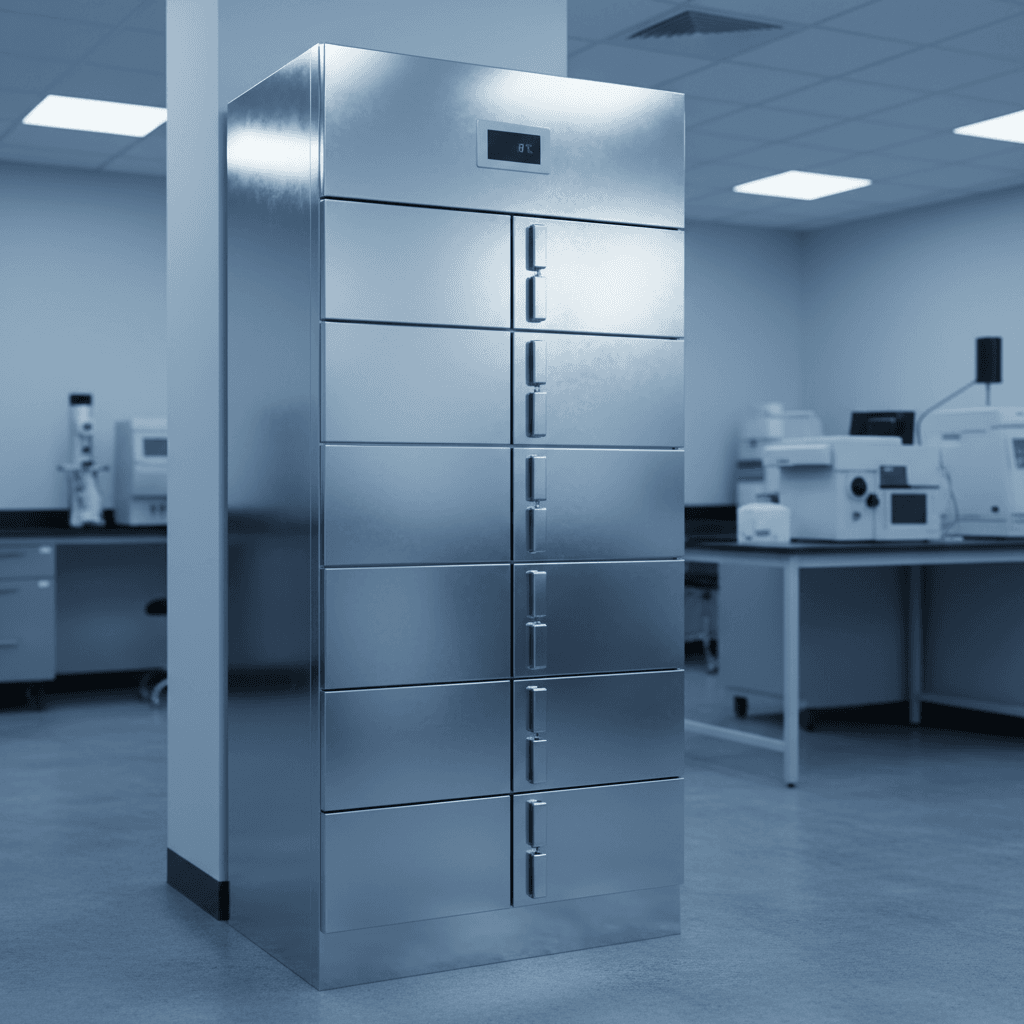
Refrigerated Evidence Lockers
Temperature-controlled units for biological evidence, DNA samples, narcotics, and other perishable materials. Maintains evidentiary integrity with precise climate monitoring and alarm systems.
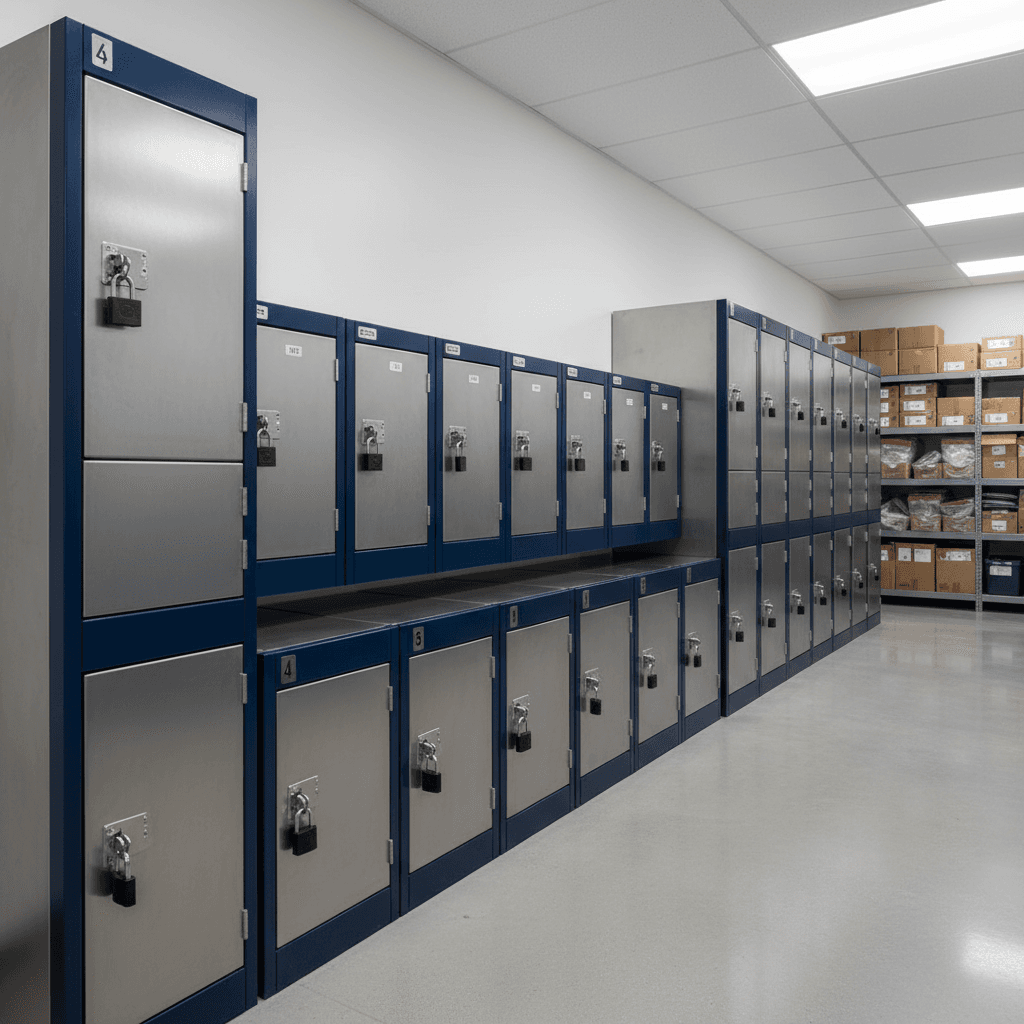
Standard Evidence Lockers
Heavy-duty steel lockers in various configurations for general evidence storage. Available in single-door, multi-compartment, and full-height designs to accommodate items of all sizes, from small envelopes to large firearms.
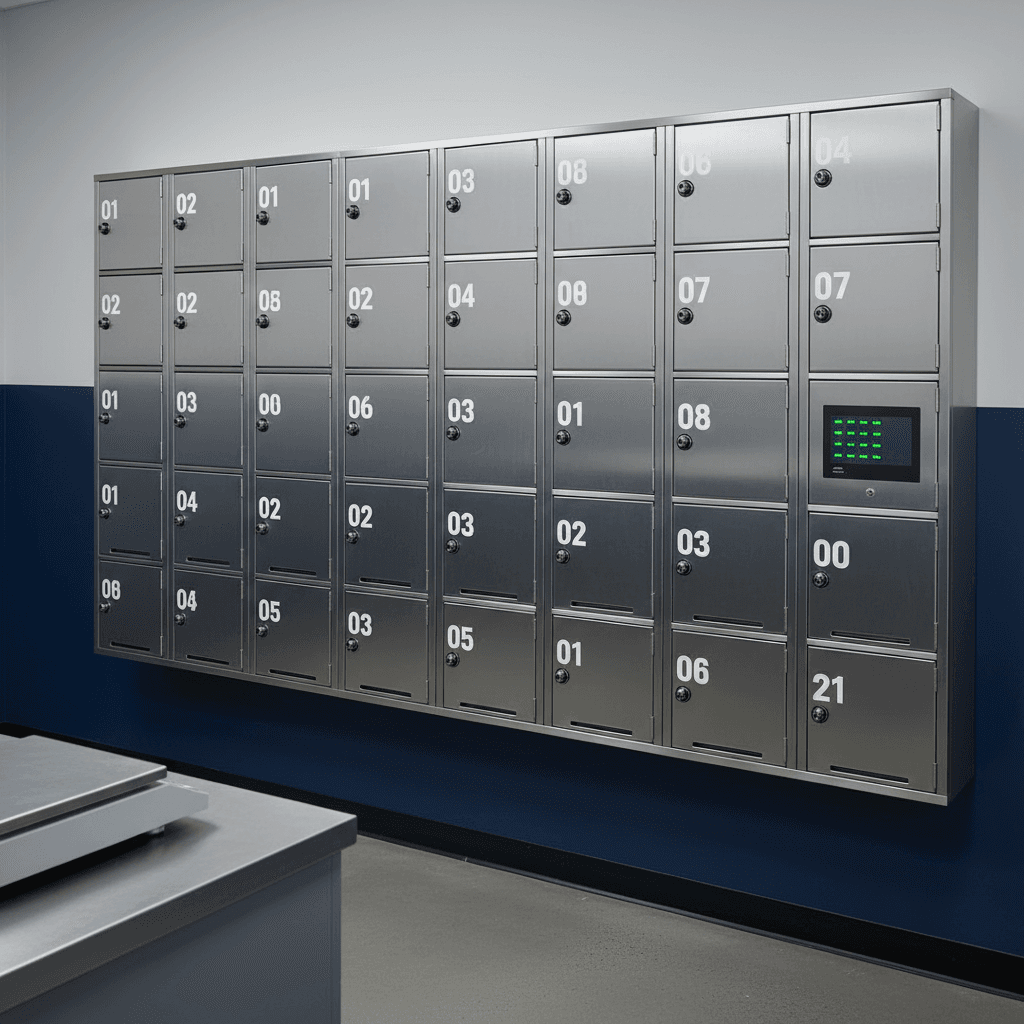
Temporary Holding Lockers
Short-term evidence intake lockers used at booking stations and intake areas. Officers secure items during processing before evidence is logged and transferred to long-term storage.
Why Evidence Storage Lockers Matter
Proper evidence storage protects cases, keeps agencies compliant, and ensures justice is served. These are the features that make a difference.
Chain of Custody Compliance
Every access event is logged with timestamps, user IDs, and compartment identifiers. Full audit trails ensure evidence integrity from intake through court presentation.
Tamper-Proof Security
Heavy-gauge steel construction with anti-pry doors, pick-resistant locks, and optional electronic access controls. Evidence remains secure against unauthorized access.
Climate Control Options
Refrigerated and climate-controlled units maintain precise temperature and humidity for biological evidence, DNA samples, narcotics, and other sensitive materials.
Modular & Scalable Design
Start with what you need and expand over time. Modular locker systems can be reconfigured as evidence volumes change, saving budget on future facility upgrades.
Regulatory Compliance
Built to meet CALEA, IAPE, and state evidence management standards. Proper storage protects cases from dismissal due to mishandled evidence.
Digital Integration
Modern evidence lockers connect with records management systems (RMS) and evidence tracking software, linking physical storage to digital case files.
Who Uses Evidence Storage Lockers?
From small-town police departments to federal crime labs, every agency that handles physical evidence needs secure, compliant storage.
Police Departments
Municipal, county, and state law enforcement agencies managing active case evidence and long-term property storage.
Forensic Crime Labs
Specialized facilities requiring strict environmental controls for DNA, toxicology, ballistics, and trace evidence.
Federal Agencies
FBI, DEA, ATF, and other federal law enforcement with high-security evidence management requirements.
Courthouses & District Attorneys
Secure evidence holding during trial proceedings, protecting exhibits from tampering before and after presentation.
Hospitals & Medical Examiners
SANE exam evidence storage, toxicology sample management, and medical examiner specimen handling with temperature-controlled lockers.
Military & Corrections
Military police evidence rooms and correctional facility contraband storage with additional security protocols.
How to Choose the Right Evidence Lockers
Selecting evidence storage lockers involves balancing security requirements, space constraints, compliance standards, and budget. Use this checklist to evaluate your options.
Assess Your Evidence Volume
Count current items in storage and project 3–5 years of growth. Consider seasonal variations and case types (narcotics operations, for example, can spike intake temporarily).
Identify Evidence Types
Biological evidence needs refrigeration. Firearms need weapons-rated lockers. Large items (bikes, electronics) need oversized compartments. Map your evidence profile before sizing a system.
Evaluate Access Requirements
Pass-through designs separate intake from retrieval. Consider how many officers need simultaneous access, shift coverage, and whether 24/7 deposit capability is needed.
Check Compliance Standards
Verify your state’s evidence management regulations, CALEA requirements if pursuing accreditation, and any grant conditions that specify storage standards.
Plan for Technology Integration
Modern lockers integrate with barcode/RFID systems and evidence management software. Ensure compatibility with your current RMS and digital workflows.
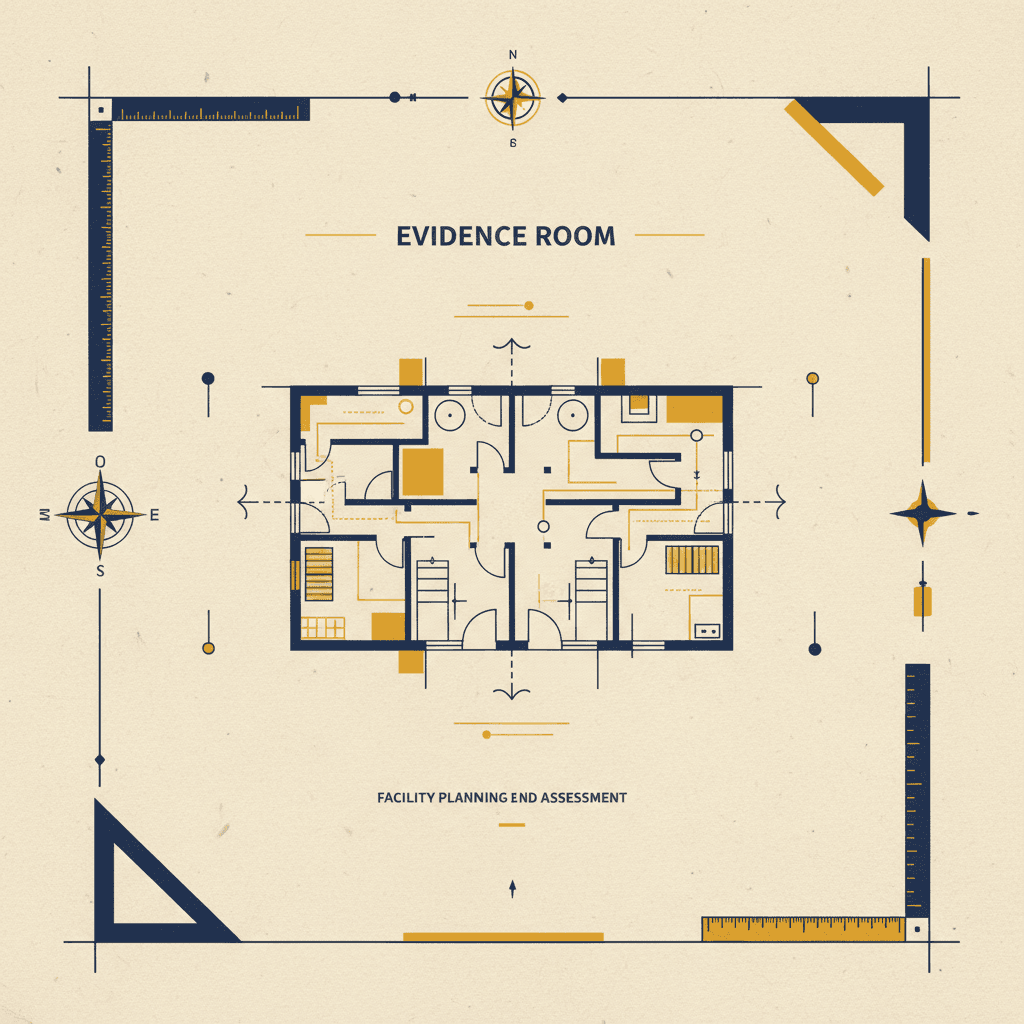
Consider Facility Constraints
Measure available floor space, ceiling height, door widths for delivery, floor load capacity, and power requirements for refrigerated units. Modular systems offer the most flexibility.
Frequently Asked Questions
Common questions about evidence storage lockers, compliance, and best practices.
A pass-through evidence locker has access from two sides, separated by a wall. Officers deposit evidence from one side (typically a hallway), and property room technicians retrieve it from the other side. This eliminates the need for officers to enter the evidence room, reduces contamination risk, and allows evidence submission at any hour without staff present.
Get a Custom Evidence Storage Quote
Tell us about your facility and evidence management needs. We connect you with qualified evidence storage locker manufacturers and system integrators who can design the right solution for your agency.